K-dramas, K-pop idols, glass skin and endless energy on stage. It’s no surprise that so many Malaysians are searching for the K-pop diet and wondering what idols really eat to stay in shape.
But here’s the honest answer from a dietitian’s point of view: some K-pop eating habits are worth copying, and some are not. Before you follow any idol’s diet in 2027, it helps to know the difference.
In this guide, we break down what the K-pop diet actually is, which habits are good for you, which ones to avoid, and how to make a version that works for real Malaysian life.
What Is the K-pop Diet?
The K-pop diet isn’t one official meal plan. It’s a mix of traditional Korean eating habits and the strict routines some idols follow before a comeback or performance.
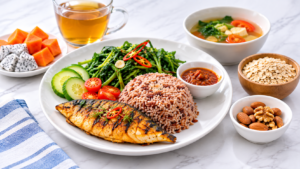
The traditional side is built on everyday Korean food: rice, plenty of vegetables, soups, lean protein and fermented foods like kimchi, usually served as small side dishes (banchan) rather than one big plate.
The idol side is very different. Some idols have shared extreme routines, such as eating very little for weeks or following strict portion “cup” plans. These are designed for short-term results with a professional team behind them, not for everyday life.
That’s why it’s important to separate the two.
K-pop Diet Habits Worth Copying
1. Rice, in the right portion
Here’s something many people miss: Koreans eat rice almost every day. The K-pop diet isn’t about cutting carbs completely. It’s about the right portion, and choosing carbs that keep your energy steady, like brown rice, oats or sweet potato, more often than refined ones.
Malaysian swap: you don’t need to stop eating nasi to lose weight. Start with a smaller scoop and fill the rest of your plate with protein and vegetables.
2. Protein at every meal
Korean meals usually include a source of protein such as fish, chicken, tofu, eggs or lean meat. Getting enough protein helps you feel full for longer and helps you keep your muscle, especially as you get older or while you’re losing weight.
Protein also supports your skin, because your body uses it to build collagen, the protein that keeps skin firm.
Malaysian swap: add an egg, a piece of grilled fish, ayam bakar or tofu to your meal instead of relying on carbs alone.
| Protein source | Approx. protein |
|---|---|
| 1 egg | 6g |
| Ikan kembung (100g) | 20g |
| Chicken breast, cooked (100g) | 31g |
| Tempeh (100g) | 19g |
Approximate values. Protein content varies by brand, size and cooking method. Source: Malaysian Food Composition Database (MyFCD)
3. Fermented foods for your gut

Doctors prescribe probiotic sachets whenever you have gut issues. Isn’t it?
You can find these amazing probiotics naturally in fermented food. These food products promote gut health and digestibility. It reduces any internal inflammation and ensures maximum absorption of nutrients through the gut lining. It is proven through research that a healthy gut microbiome can help in weight loss.
A Korean kitchen’s pantry is incomplete without a jar of Kimchi.
It stands as an essential fermented delicacy. It contains vitamin C, vitamin A, and Lactic Cid Bacteria (LAB). LAB has anti aging properties and inhibits the increase in cholesterol (2).
The most loved fermented foods of Koreans are:
| Fermented food | Ingredients |
| Kimchi | Cruciferous vegetables, eggplant, turnip, dropwort and functional foods (garlic, ginger). |
Jang (Used as traditional seasoning) | Soybean, brine, red pepper and salt. |
| Jeotgal | Fermented fish is prepared from mollusks, shrimps, and crustaceans. |
Malaysian swap: no kimchi at home? Tempeh, yoghurt and tapai are fermented too. Just watch the salt and sugar.
4. High-fibre food
K-pop diet is filled with high fibre foods that curb the cravings and provides satiety for longer time. Dunnae highland tomatoes, yeolmu (summer radish), cheongyang chilli pepper, large green onions (daepa), perilla leaves, chives, lettuce, Korean squash, gochu, cucumber, Korean cabbage (baechu), chonggak are the most consumed vegetables (3).
All of these provide vital minerals and vitamins that work as an impactful supplement for the health.
Malaysian swap: you don’t need Korean veggies to eat like an idol. Ulam, kangkung, sawi, bendi and timun are just as good. Aim to fill half your plate with them!
5. Cut down on fats
Traditional Korean home cooking goes easy on deep-fried food and heavy, creamy meals. Yes, Korean fried chicken exists, but it’s a treat, not an everyday thing! Meals loaded with cheese, butter, margarine and trans fats can raise your cholesterol and leave you feeling sluggish.
Malaysian swap: love your goreng? Keep it, just not every day. Choose ikan bakar, steamed or soup-based dishes more often.
6. Eat healthy fats
Instead of saturated fats, Koreans love nuts and seeds. You’ll notice most of their dishes are garnished with sesame seeds!
Healthy fats like sesame oil, nuts, avocado and olive oil support your skin, hair and overall wellbeing, and can help keep cravings at bay.
Malaysian swap: swap keropok for a handful of kacang, and use less oil when you masak at home.
7. Mindful eating and portion control
Mindful eating and portion control are other secrets behind the K-pop look. Koreans don’t overfill their plates. Instead, they relish the essence of every bite and eat in moderation. Eating light also keeps them energetic throughout the day!
Malaysian swap: at the next kenduri or buffet, take a smaller plate, put your phone away and eat slowly. Your tummy will thank you.
K-pop Diet Habits You Should NOT Copy

1. The cup diet
Ever heard of the K-pop cup diet? It’s an extreme diet where cups are used to measure every portion of food. Oily and fried foods are completely avoided, the cups are filled to the brim, and that’s all you eat, three times a day:
Cup 1:
Protein: One cup of lean protein (e.g., chicken breast, fish, tofu) or
Vegetables: One cup of various vegetables (e.g., leafy greens, broccoli, carrots)
Cup 2:
Carbohydrates: One cup of complex carbohydrates (e.g., brown rice, sweet potatoes, whole grains)
Cup 3:
Fruits: One cup of fresh fruits.
Sounds simple, right? But here’s the catch: it’s way too little food for most people. The fast drop on the scale is often water and muscle, not just fat. You’ll likely feel tired, hungry and moody, and the weight usually comes back once you eat normally again.
2. Skipping meals before a “comeback”
Some idols have shared that they eat just one small meal a day before a performance. They have a whole team watching their health, but for the rest of us, it usually ends in low energy and a midnight Maggi binge!
3. Copying someone else’s body goals
Copy the Habits, Not the Extremes
The K-pop diet has some great lessons: rice in the right portion, protein at every meal, fermented food, lots of veggies and mindful eating. But the extreme stuff like cup diets and skipping meals? Leave that to the idols. 
Here’s the real secret: two people can follow the exact same diet and get totally different results. Your weight, blood sugar, cholesterol, hormones and daily routine all matter.
That’s why at Diet Ideas, our certified Malaysian dietitians build a plan around you, based on your blood test and lifestyle, without asking you to give up the food you love. That’s what MyDietProgram is all about.
How Diet Ideas Helps You Eat Right
Every body is different, so your diet plan should be too. That’s exactly how the Diet Ideas App works:
 Real Malaysian dietitians, not AI. You’re connected with certified dietitians and nutritionists who understand Malaysian food and lifestyle.
A plan built on your health data. With MyDietProgram, you get a FREE blood test, so your dietitian knows exactly what nutrition your body needs.
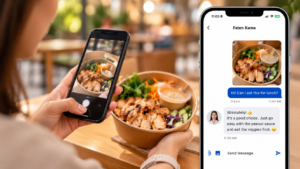
Daily support to stay consistent. Chat with your dietitian through the app, track your progress and get guidance throughout your programme. Because let’s be honest: consistency is hard, even for K-pop idols! 
Have a health condition? Whether it’s diabetes, PMOS (formerly PCOS), high blood pressure or high cholesterol, our dietitians can guide you with a plan that fits your condition.
Fun fact: Even K-pop idols don’t do it alone. Most have a whole team behind them: trainers, managers and often nutrition experts to keep them on track. So why should you go it alone?
Start by downloading the Diet Ideas App. Check your Health Score and talk to our dietitian today!
FAQ: K-pop Diet
Is the K-pop diet healthy?
Parts of it are! Protein, veggies, fermented food and mindful portions are great habits. Extreme routines like the cup diet or skipping meals are not.
Does the K-pop cup diet work?
You might see the scale drop fast, but it’s very hard to keep up, and the weight usually comes back.
Do I need to stop eating rice to lose weight?
Nope! Koreans eat rice almost every day. It’s all about the portion and what you eat with it.